Thank you, Radar Online, for this handy summary of bad reviews. I thoroughly enjoyed it.
(I don't think I've felt this strongly about a movie since Blues Brothers 2000, or as I like to call it, That Sound You Hear Is John Belushi Spinning In His Grave.)
Showing posts with label remakes. Show all posts
Showing posts with label remakes. Show all posts
Monday, September 15, 2008


Saturday, September 13, 2008
Monday, August 04, 2008
They Met In Bombay
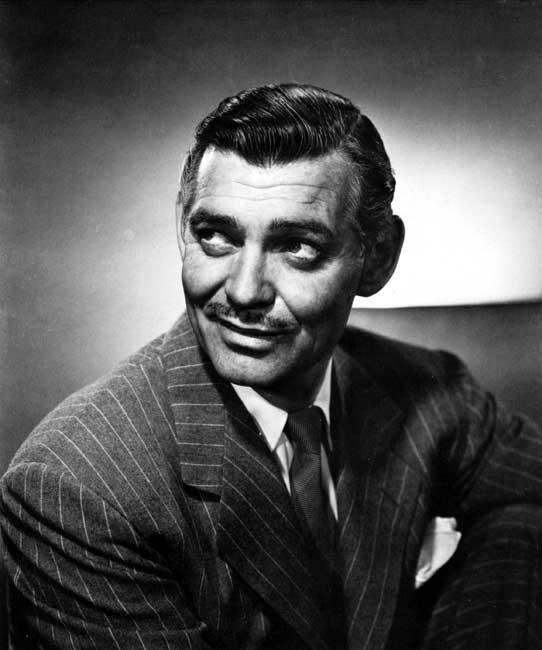
July was Roz Russell month on TCM, so I have a boatload of her movies saved on my DVR. Last week I watched They Met in Bombay, which starred Clark Gable in the kind of role I think he does best: the guy whom the girl thinks she hates but is really falling in love with, and he knows it. From almost any other actor, I think I might find that "yeah, baby, you know you love me" attitude annoying, but Gable pulls it off with a sideways glance and crooked grin that I love. Sort of like this, except imagine him looking down at a dame. (Can't get the image to upload, so just a link for now.)
He and Roz are competing jewel thieves who end up escaping from the law together, falling in love, and going straight. Much like the Gable/Harlow movie Hold Your Man, the beginning starts out all snazzy wisecracks and ends up kind of mushy. Roz's doe eyes couldn't have gotten any more limpid or starry, and she did lose a lot of the pizzaz that I usually love her for. I thought some interest was added to the "Gable becomes a hero" part of the story by including Roz in his adventures as a fake Winnipeg Grenadier escaping from the Japanese army; usually the women get left at home during these kinds of escapades.
Included in the cast was one of my favorite character actors, Jessie Ralph, as the raucous and tipsy Duchess of Beltravers. She is a scream in these kind of "fiesty matron" parts; she plays another duchess in The Last of Mrs. Cheyney, which is another role of hers I like. My all time favorite, though, is Jessie as Aunt Katherine ("Nic-oh-las!") in After the Thin Man.
While this movie could easily fall into a "romantic caper" pigeonhole along with dozens of other movies, I would still recommend it.
On a totally unrelated note, IMDB has just informed me that they're remaking The Day The Earth Stood Still. (Keanu Reeves? Really?) Must they remake every classic movie just to jazz it up with CGI and rock music?
He and Roz are competing jewel thieves who end up escaping from the law together, falling in love, and going straight. Much like the Gable/Harlow movie Hold Your Man, the beginning starts out all snazzy wisecracks and ends up kind of mushy. Roz's doe eyes couldn't have gotten any more limpid or starry, and she did lose a lot of the pizzaz that I usually love her for. I thought some interest was added to the "Gable becomes a hero" part of the story by including Roz in his adventures as a fake Winnipeg Grenadier escaping from the Japanese army; usually the women get left at home during these kinds of escapades.
Included in the cast was one of my favorite character actors, Jessie Ralph, as the raucous and tipsy Duchess of Beltravers. She is a scream in these kind of "fiesty matron" parts; she plays another duchess in The Last of Mrs. Cheyney, which is another role of hers I like. My all time favorite, though, is Jessie as Aunt Katherine ("Nic-oh-las!") in After the Thin Man.
While this movie could easily fall into a "romantic caper" pigeonhole along with dozens of other movies, I would still recommend it.
On a totally unrelated note, IMDB has just informed me that they're remaking The Day The Earth Stood Still. (Keanu Reeves? Really?) Must they remake every classic movie just to jazz it up with CGI and rock music?
Saturday, July 12, 2008
Roz vs. Joan Smackdown!
One evening this week I was flipping channels and I came across the 1936 movie, "Craig's Wife," which is based on the play by George Kelly and stars Rosalind Russell and John Boles. The movie is probably more well known in its 1950 incarnation, "Harriet Craig," starring Joan Crawford. Yes, that movie about which people say, "oh, it was so much like Joan in real life, with the obsession with material things and general craziness and all that!" And by "people" you know I mean "Christina Crawford."
I like comparing version of classic films; see my earlier entry on "Red Dust" vs. "Mogambo." Maybe I should make that a more regular feature. Yeah, like Character Actors I Love, which I haven't done in forever. Although my virtual cemetery on the subject continues to grow.
So, HC vs. CW. I came into CW about 15 minutes late; Harriet and her niece (I think it's her cousin in HC) are on their way home on the train, having been visiting Harriet's sick sister. I came in right in the middle of a juicy speech in which Harriet explains to her mildly horrified niece her views on marriage: Harriet married so she could be "completely independent" and have her own house, basically. She doesn't love her husband "in that silly, romantic way you mean." So right off we get the character exposition and find out almost all we need to know about Harriet (note I say almost; more on that later).
The story progresses as expected: everyone but Harriet's husband Walter realizes that she's a scheming, manipulative bitch. He just acts like a goofball in love, and while I get the point of that (it makes it all the more shocking later when he does come to see Harriet as she really is), John Boles takes it a little overboard, what with the gushing and turtledove cooing and whatnot. Gradually, people start to withdraw from the home, and especially from Harriet: she herself fires Maisie, the maid; Walter's Aunt Ellen moves out (after giving him a lecture on the subject of his wife), Mrs. Landford, the long-time housekeeper, quits. Ethel, the niece, leaves with her fiancee, who has come to retrieve her, apparently having also sensed Harriet's evil from afar.
There's a murder of one of Walter's friends as part of the plot, but I think I missed out on some of that, because it was just background to the story by the time I came into it. It functions mainly as plot device to really drive home Harriet's manipulations: she gets caught by the police inquiring about the deceased's phone number (spying on her husband, to see what he was up to while she was out of town) and when the detective comes to the house, she lies about it. Walter finds out, and they get into an argument, in which Harriet (sort of) inadvertantly reveals that her main concern is keeping their good name out of a scandal, and not so much whether Walter is innocent or not (he is, it turns out to be a murder/suicide). This is what finally lets the scales drop from Walter's eyes, and after he smashes Harriet's prize knick-knack, they argue some more, and he walks out on her. Harriet exposits that she is obsessed with having a home because her father mortgaged her childhood home to support his mistress, and the family ended up on the street. Walter isn't having any, though. She can have the house, he says, since it's what's really important to her.
The exits of the people involved in Harriet's life have a lot of impact, because they all occur in the last 15-20 minutes of the movie, so you get a sense of this mass exodus from the house. Walter is the last to leave. Right after he drives off, Harriet gets a telegram telling her that her sister died at 6:00 that morning. (This is the sister she left at the beginning of the film, dragging her niece away from her mother because "she didn't know she was that ill.") Harriet flops on the divan to have a good cry, when the next door neighbor Mrs. Frazier comes in with roses from her garden (Harriet never liked her and was jealous of any attention her husband paid to her or her little boy). Harriet, slightly incoherent by this time, accepts them. Mrs. Frazier offers sympathy upon learning of the death in the family, but Harriet's too dazed to really respond, so Mrs. Frazier leaves. Harriet starts to say, "I'm alone in the house, so if you wouldn't mind..." but when she turns to Mrs. Frazier, she's long gone. Harriet starts for the door but can't bring herself to go out. The movie ends with a close-up of Harriet's big eyes leaking tears, and the epitaph "Those that live for themselves are usually left to themselves."
Now, this surprised me, because the version of Harriet in HC (which in the version I saw first), is much more unsympathetic. There is no explanation of her nastiness with a childhood trauma. Joan's Harriet only seems angry when she's thwarted, never upset or scared. (Disclaimer: I haven't seen HC in awhile.) I don't think there's an aunt in the house, but there is a long-time housekeeper, devoted to Mr. Craig, who walks out near the end. Ethel the niece is now Claire the cousin, and her story unfolds more or less the same. The last scene of the movie, if I remember correctly, is Joan walking up the magnificent staircase of her house, now completely alone. She doesn't seem all that upset to have the house to herself. There may have been a few tears on her part through out the movie, but my memory is that they were more for effect than out of sincerity.
Overall, the impression I had of the Harriet character in HC is a much colder woman, and more of a one dimensional character. I thought the two versions of the film made an interesting contrast, however, I liked the earlier version better. (Aside: while Roz is more know for her comedy roles, she was great as the cool, sharp Harriet Craig). I would recommend both films, though.
I don't know which version is closer to the play, but I'll find out when my copy of "Three Plays by George Kelly" arrives from Amazon. Stay tuned.
I like comparing version of classic films; see my earlier entry on "Red Dust" vs. "Mogambo." Maybe I should make that a more regular feature. Yeah, like Character Actors I Love, which I haven't done in forever. Although my virtual cemetery on the subject continues to grow.
So, HC vs. CW. I came into CW about 15 minutes late; Harriet and her niece (I think it's her cousin in HC) are on their way home on the train, having been visiting Harriet's sick sister. I came in right in the middle of a juicy speech in which Harriet explains to her mildly horrified niece her views on marriage: Harriet married so she could be "completely independent" and have her own house, basically. She doesn't love her husband "in that silly, romantic way you mean." So right off we get the character exposition and find out almost all we need to know about Harriet (note I say almost; more on that later).
The story progresses as expected: everyone but Harriet's husband Walter realizes that she's a scheming, manipulative bitch. He just acts like a goofball in love, and while I get the point of that (it makes it all the more shocking later when he does come to see Harriet as she really is), John Boles takes it a little overboard, what with the gushing and turtledove cooing and whatnot. Gradually, people start to withdraw from the home, and especially from Harriet: she herself fires Maisie, the maid; Walter's Aunt Ellen moves out (after giving him a lecture on the subject of his wife), Mrs. Landford, the long-time housekeeper, quits. Ethel, the niece, leaves with her fiancee, who has come to retrieve her, apparently having also sensed Harriet's evil from afar.
There's a murder of one of Walter's friends as part of the plot, but I think I missed out on some of that, because it was just background to the story by the time I came into it. It functions mainly as plot device to really drive home Harriet's manipulations: she gets caught by the police inquiring about the deceased's phone number (spying on her husband, to see what he was up to while she was out of town) and when the detective comes to the house, she lies about it. Walter finds out, and they get into an argument, in which Harriet (sort of) inadvertantly reveals that her main concern is keeping their good name out of a scandal, and not so much whether Walter is innocent or not (he is, it turns out to be a murder/suicide). This is what finally lets the scales drop from Walter's eyes, and after he smashes Harriet's prize knick-knack, they argue some more, and he walks out on her. Harriet exposits that she is obsessed with having a home because her father mortgaged her childhood home to support his mistress, and the family ended up on the street. Walter isn't having any, though. She can have the house, he says, since it's what's really important to her.
The exits of the people involved in Harriet's life have a lot of impact, because they all occur in the last 15-20 minutes of the movie, so you get a sense of this mass exodus from the house. Walter is the last to leave. Right after he drives off, Harriet gets a telegram telling her that her sister died at 6:00 that morning. (This is the sister she left at the beginning of the film, dragging her niece away from her mother because "she didn't know she was that ill.") Harriet flops on the divan to have a good cry, when the next door neighbor Mrs. Frazier comes in with roses from her garden (Harriet never liked her and was jealous of any attention her husband paid to her or her little boy). Harriet, slightly incoherent by this time, accepts them. Mrs. Frazier offers sympathy upon learning of the death in the family, but Harriet's too dazed to really respond, so Mrs. Frazier leaves. Harriet starts to say, "I'm alone in the house, so if you wouldn't mind..." but when she turns to Mrs. Frazier, she's long gone. Harriet starts for the door but can't bring herself to go out. The movie ends with a close-up of Harriet's big eyes leaking tears, and the epitaph "Those that live for themselves are usually left to themselves."
Now, this surprised me, because the version of Harriet in HC (which in the version I saw first), is much more unsympathetic. There is no explanation of her nastiness with a childhood trauma. Joan's Harriet only seems angry when she's thwarted, never upset or scared. (Disclaimer: I haven't seen HC in awhile.) I don't think there's an aunt in the house, but there is a long-time housekeeper, devoted to Mr. Craig, who walks out near the end. Ethel the niece is now Claire the cousin, and her story unfolds more or less the same. The last scene of the movie, if I remember correctly, is Joan walking up the magnificent staircase of her house, now completely alone. She doesn't seem all that upset to have the house to herself. There may have been a few tears on her part through out the movie, but my memory is that they were more for effect than out of sincerity.
Overall, the impression I had of the Harriet character in HC is a much colder woman, and more of a one dimensional character. I thought the two versions of the film made an interesting contrast, however, I liked the earlier version better. (Aside: while Roz is more know for her comedy roles, she was great as the cool, sharp Harriet Craig). I would recommend both films, though.
I don't know which version is closer to the play, but I'll find out when my copy of "Three Plays by George Kelly" arrives from Amazon. Stay tuned.
Monday, July 17, 2006
Gable vs. Gable

I received my Gable box set right on time, and I've been working my way through the movies since then. Some of them I had already seen: Dancing Lady, China Seas, and Wife vs. Secretary (now I can sell my VHS tapes on eBay). The other weekend was an action double feature with Boom Town and San Francisco. Last night was Mogambo, which of course I had to compare with its previos incarnation, Red Dust.
Mary Astor vs. Grace Kelly? Eh, I could take or leave either of them. Grace was a little too uptightly British, I thought. Mary Astor did the shooting scene better. It was easier to believe her outraged emotions. Grace just screamed and twirled around and hid her face in her hands in a cliched bit of overacting.
Jean Harlow vs. Ava Gardner? This one was closer, but I'm going to have to give it to Jean here, because I just adore her. Her character, as a prostitute, was tougher and in a way, more interesting, and therefore more of a contrast to the other woman (Grace/Mary) than Ava's society lady character was.
Gene Raymond vs. Donald Sinden? I guess we'll call this one a tie. I like Gene as an actor better mainly due to his role in Sadie McKee, but Donald did a good job as the husband. He seemed alittle less clueless than Gene Raymond sometimes. But only a little.
Mary Astor vs. Grace Kelly? Eh, I could take or leave either of them. Grace was a little too uptightly British, I thought. Mary Astor did the shooting scene better. It was easier to believe her outraged emotions. Grace just screamed and twirled around and hid her face in her hands in a cliched bit of overacting.
Jean Harlow vs. Ava Gardner? This one was closer, but I'm going to have to give it to Jean here, because I just adore her. Her character, as a prostitute, was tougher and in a way, more interesting, and therefore more of a contrast to the other woman (Grace/Mary) than Ava's society lady character was.
Gene Raymond vs. Donald Sinden? I guess we'll call this one a tie. I like Gene as an actor better mainly due to his role in Sadie McKee, but Donald did a good job as the husband. He seemed alittle less clueless than Gene Raymond sometimes. But only a little.
Philip Stainton was quite likeable as Gable's sidekick, Brownie. I don't remember the equivalent character in Red Dust, if there even was one (it's been a few years since I saw it) so Stainton wins by default. He was jolly and fun but also serious about his job and the dangers of the jungle.
As far as the love story goes, I'm about even with both versions of Gable pining away after the saintly English wife. Even though I prefer Harlow to Gardner, I did like Gable's relationship with the latter better. There seemed to be more fondness between the two. In RD I got the impression Gable thought of Harlow as little more than a warm body. He's so mean to her sometimes, you wonder how she can go on loving him. There was more genuine liking and tenderness between Gable and Gardner.
As it stands, the box set is an excellent one. I stand by my earlier thought that I would have substituted one of the Gable action movies with Spencer Tracy for the great gangster film Manhattan Melodrama. Since Jeanette MacDonald doesn't do much for me, I would have pulled San Francisco for MM.
So many of Jean Harlow's movies have now been released on DVD on their own and as part of other people's box sets, that there aren't a whole lot left (she only made 41, and that's generously including the bit parts) for a "signature collection" set of her own (and she absolutely should have one). Here's what I would include in her set:
Bombshell
The Girl From Missouri
Hold Your Man
Red-Headed Woman
Reckless (well, maybe not; not such a great film)
Suzy (I'm kind of lukewarm about this one; her undying love for cad Cary Grant kind of annoyed me)
A lot of her other movies I have never seen, so I can't really say for sure which ones I would include. Additional options include:
Saratoga
Personal Property
Riffraff
I'm only counting movies that aren't on DVD already (and there's more than I thought). Of course some could be rereleased, like they did with Mildred Pierce when they made the Joan Crawford box set.
Again I ask: Ted Turner, are you listening? ;)
Subscribe to:
Posts (Atom)